


When people ask me whether they can use a selfie for their LinkedIn profile, my answer often surprises them.
You can use anything you like.
The real question is whether it creates the first impression you want someone to have before they’ve even read your name, job title or experience.
For some people, a selfie may be perfectly appropriate. If you’re an influencer, a travel creator or someone whose brand is built around spontaneity and personality, a casual image may reinforce exactly who you are.
But my clients aren’t usually trying to build that kind of brand. They are executives, entrepreneurs and business leaders who need their photograph to communicate something very different.
The moment someone lands on your LinkedIn profile, they don’t start reading. They look at your photograph.
Within a second or two, they’ve already formed an impression. They notice your expression, your eye contact, the quality of the image and whether it feels intentional or simply uploaded because a profile picture was needed.
Without realising it, people ask themselves questions like:
Only after that do they begin reading your profile. That’s why your photograph is often doing more work than your headline.
One mistake I see online is people treating every profile photo as though it serves the same purpose.
It doesn’t.
A brilliant selfie can be perfect for someone whose audience expects excitement, energy and authenticity in the moment.
But that’s not the visual language of senior executives.
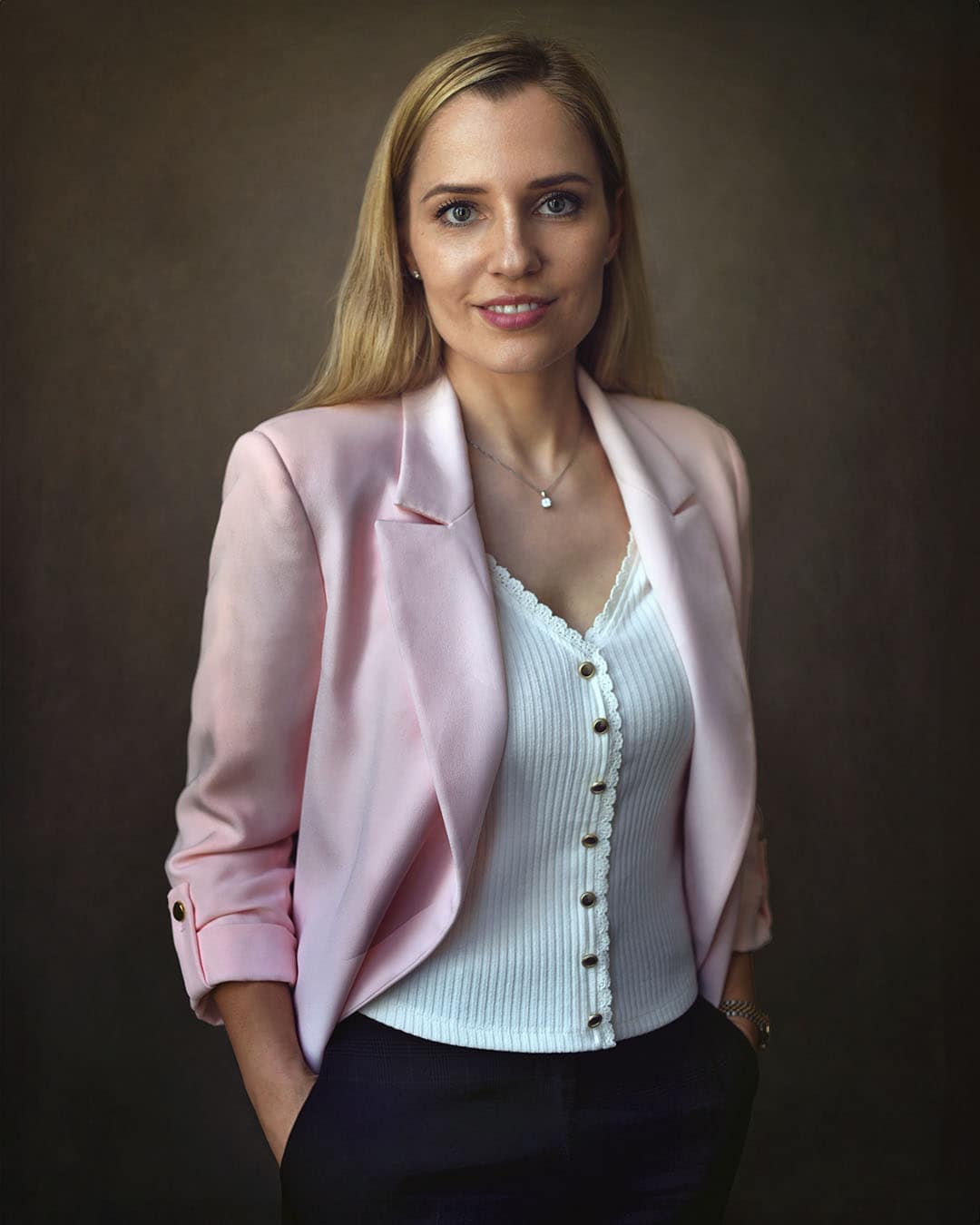
Business leaders need something more refined. They need a portrait that communicates authority, professionalism and confidence without appearing forced or overly polished. The objective isn’t to impress people. It’s to make them feel they can trust you.
After photographing professionals for many years and winning 31 international portrait awards, one lesson has become clearer than any technical setting or lighting technique.
Authority begins with connection.
The strongest portraits almost always have direct eye contact. The expression feels natural rather than rehearsed. It feels approachable while remaining confident.
The best portraits create what I think of as an unspoken conversation between the person in the photograph and the viewer. When that happens, the image no longer feels like a photograph. It feels like you’ve already met the person.
Sometimes clients arrive using dark, poorly lit photographs where they’re looking away from the camera. Sometimes they’re using heavily edited pictures. I’ve even photographed clients whose LinkedIn profile displayed a cartoon or computer-generated avatar instead of their real face.
The transformation after a professional portrait is often remarkable. Suddenly the profile feels polished, considered and credible.
People don’t simply see a better photograph. They see someone who pays attention to detail, takes their personal brand seriously and presents themselves with care. Those qualities naturally influence how people interpret everything else on the profile.
One reason many of my clients invest in a professional portrait is that it rarely stays on LinkedIn. The same image often appears on:
For many professionals, one portrait becomes the face of their personal brand wherever people discover them. That’s another reason a quick selfie often isn’t enough.
If a professional portrait isn’t possible yet, stand beside a window and use soft natural light.
Avoid direct sunlight hitting your face, as it creates harsh shadows. Soft window light is generally much more flattering and gives your face natural definition. It’s not a replacement for a professional portrait, but it’s a much better starting point than poor indoor lighting.
Yes. You can use any photograph you want.
The better question is this: Does it communicate the person your audience hopes to meet?
If you’re building a personal brand around adventure, spontaneity or lifestyle content, a selfie may fit perfectly.
If you’re a business leader, executive or entrepreneur asking people to trust your judgement, expertise and professionalism, the standards are different.
For that audience, your LinkedIn photo isn’t just a picture. It’s often your first introduction, and first impressions are worth making deliberately. If you’d like to learn more about my approach to creating LinkedIn portraits that communicate authority, trust and professionalism, you’ll find more information below.